How Wholesale Works on Amazon
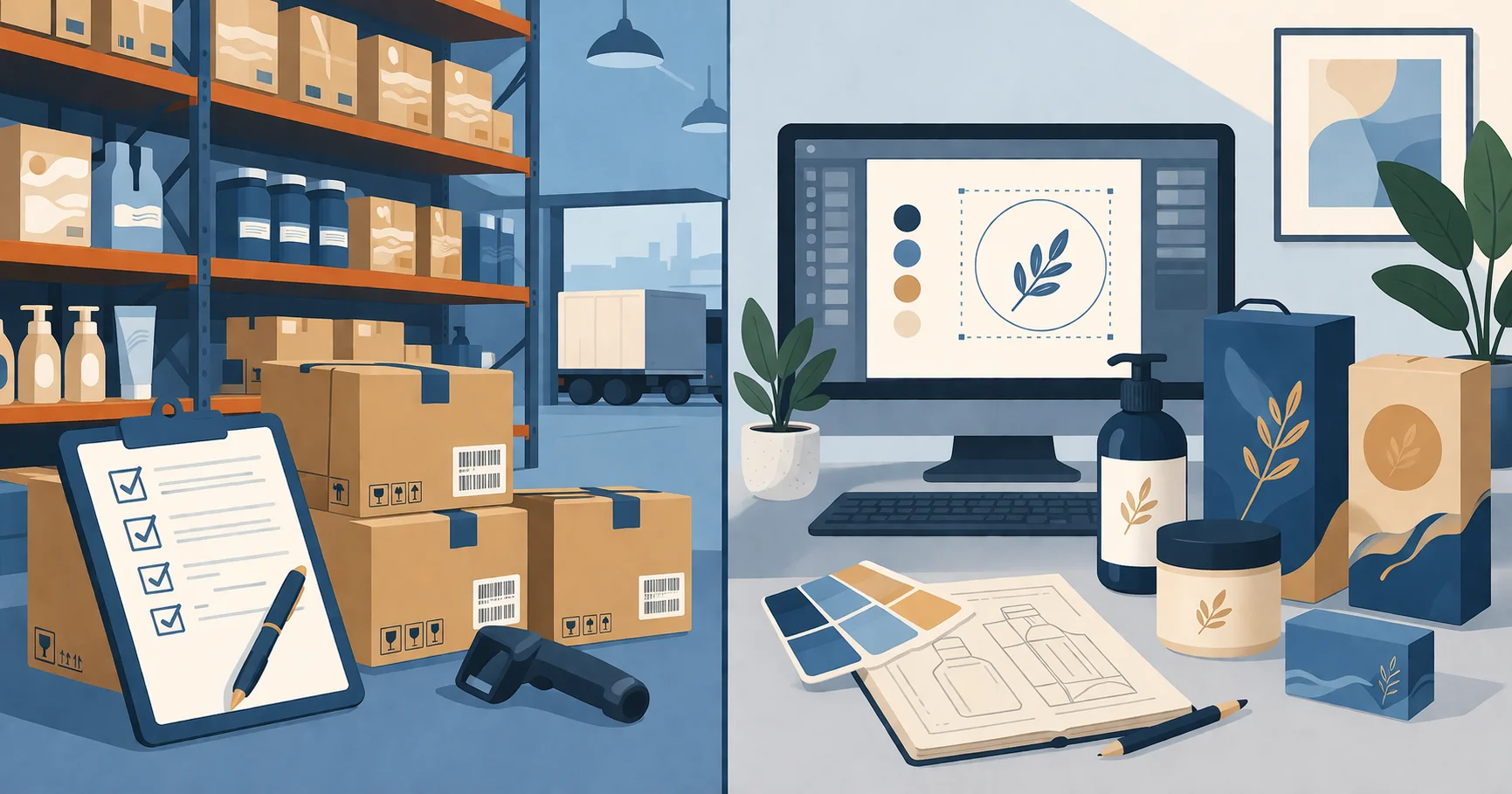
Amazon wholesale means buying existing branded products in bulk from manufacturers or authorized distributors, then reselling them on Amazon through FBA.
You don't create products. You don't build a brand. You find products that are already selling, source them at wholesale prices, ship them to Amazon's warehouse, and compete for the Buy Box on existing listings.
The core workflow looks like this:
Find a product with proven demand — you use tools or manual research to identify ASINs with consistent sales velocity and enough margin after FBA fees.
Source it from an authorized supplier — you open a wholesale account with a distributor, negotiate pricing, and place an order. The supplier ships to you or directly to Amazon's fulfillment center.
List on an existing ASIN — since the product already has a listing with reviews, images, and traffic, you attach your offer to it. No listing creation needed.
Compete for the Buy Box — Amazon rotates Buy Box access among sellers based on price, fulfillment method, and account health. Your job is to stay competitive and keep inventory in stock.
Repeat — wholesale is a volume game. Successful sellers manage 50–200+ active SKUs, continuously scanning for new products and rotating out underperformers.
The entire model is built on existing demand. You don't need to convince anyone to buy a product they've never heard of — you just need to supply it at the right price through the right channel.
How Private Label Works on Amazon
Private label means creating your own branded product. You find a generic product category with demand, work with a manufacturer (usually overseas) to produce it, design your own packaging and branding, and launch it on Amazon as a new listing.
The workflow is different at every stage:
Research a product opportunity — you look for categories with demand but weak competition, where an improved product could win market share.
Find a manufacturer — typically through Alibaba or trade shows. You negotiate specifications, order samples, iterate on design, and place a production order.
Create a brand — logo, packaging, product photography, A+ content, Brand Registry. This is your listing, your brand, your identity.
Launch and market — since the listing is new, it has zero reviews, zero traffic, and zero sales history. You need to drive initial sales through PPC advertising, promotions, and possibly external traffic.
Build and defend — over time, you accumulate reviews, optimize listings, expand the product line, and protect your brand through Amazon's Brand Registry tools.
Private label is fundamentally a brand-building exercise. You're not reselling someone else's product — you're creating an asset that has long-term value.
Side-by-Side Comparison
Here's how the two models compare across the factors that actually matter for decision-making:
Startup cost. Wholesale typically requires $1,500–$5,000 to start. You need money for inventory and not much else — no branding, no product photography, no trademark registration. Private label requires $3,000–$10,000+ before you sell a single unit. Manufacturing, samples, branding, photography, and launch advertising add up fast.
Time to first sale. Wholesale sellers can have products live on Amazon within 2–4 weeks of opening a supplier account. Private label takes 3–6 months from product research to first sale, sometimes longer if manufacturing or shipping runs into delays.
Profit margins. Wholesale margins typically run 10–25% net after all Amazon fees. Private label margins are higher — 25–45% is common for established products — because you own the brand and control pricing without direct Buy Box competition.
Competition model. In wholesale, you compete with other sellers on the same listing. Price and fulfillment speed determine who gets the sale. In private label, you compete with other products in the same category. Differentiation, reviews, and advertising determine who wins.
Risk profile. Wholesale risk is lower on any individual product — you're selling something with proven demand. But you're exposed to supplier issues, Buy Box competition, and price erosion. Private label risk is concentrated — if your product launch fails, you may be stuck with unsold inventory and sunk costs in branding and advertising.
Scalability. Wholesale scales horizontally — more SKUs, more suppliers, more volume. Private label scales vertically — deeper product lines, brand extensions, higher customer lifetime value. Both can reach six or seven figures, but the path looks different.
Exit value. This is where private label has a decisive advantage. A private label brand with consistent revenue, Brand Registry, and positive reviews can sell for 2–4x annual profit through aggregators or brokers. A wholesale operation is much harder to sell — there's no proprietary brand asset, and the business is tied to supplier relationships.
What Changed in 2026
Several shifts in the Amazon ecosystem have affected the balance between these two models:
Amazon advertising costs have risen significantly. PPC costs per click have increased year over year, making private label launches more expensive. A product that cost $1,000 in launch advertising in 2022 might cost $3,000–$5,000 now. This raises the breakeven timeline for private label and gives wholesale a relative cost advantage at the start.
Commingling is ending. Amazon is phasing out stickerless commingled inventory in 2026, which means every unit must be labeled with an FNSKU. For wholesale sellers, this increases the importance of sourcing from authorized suppliers who provide clean, traceable inventory. It also raises the bar for supplier verification — which is exactly what tools like Sourcinq are built for.
Ungating requirements are tightening. More categories and brands now require authorization documentation from Amazon before you can sell. This makes authorized wholesale suppliers more valuable and gray market sources more risky. The sellers who can source compliant invoices from verified distributors have a structural advantage.
US tariffs are reshaping sourcing. Higher tariffs on Chinese imports have increased costs for private label sellers who manufacture overseas. Wholesale sellers sourcing from US-based distributors are less affected. For some sellers, this has shifted the math in favor of domestic wholesale sourcing, at least for initial product portfolios.
Which Model Is Right for You
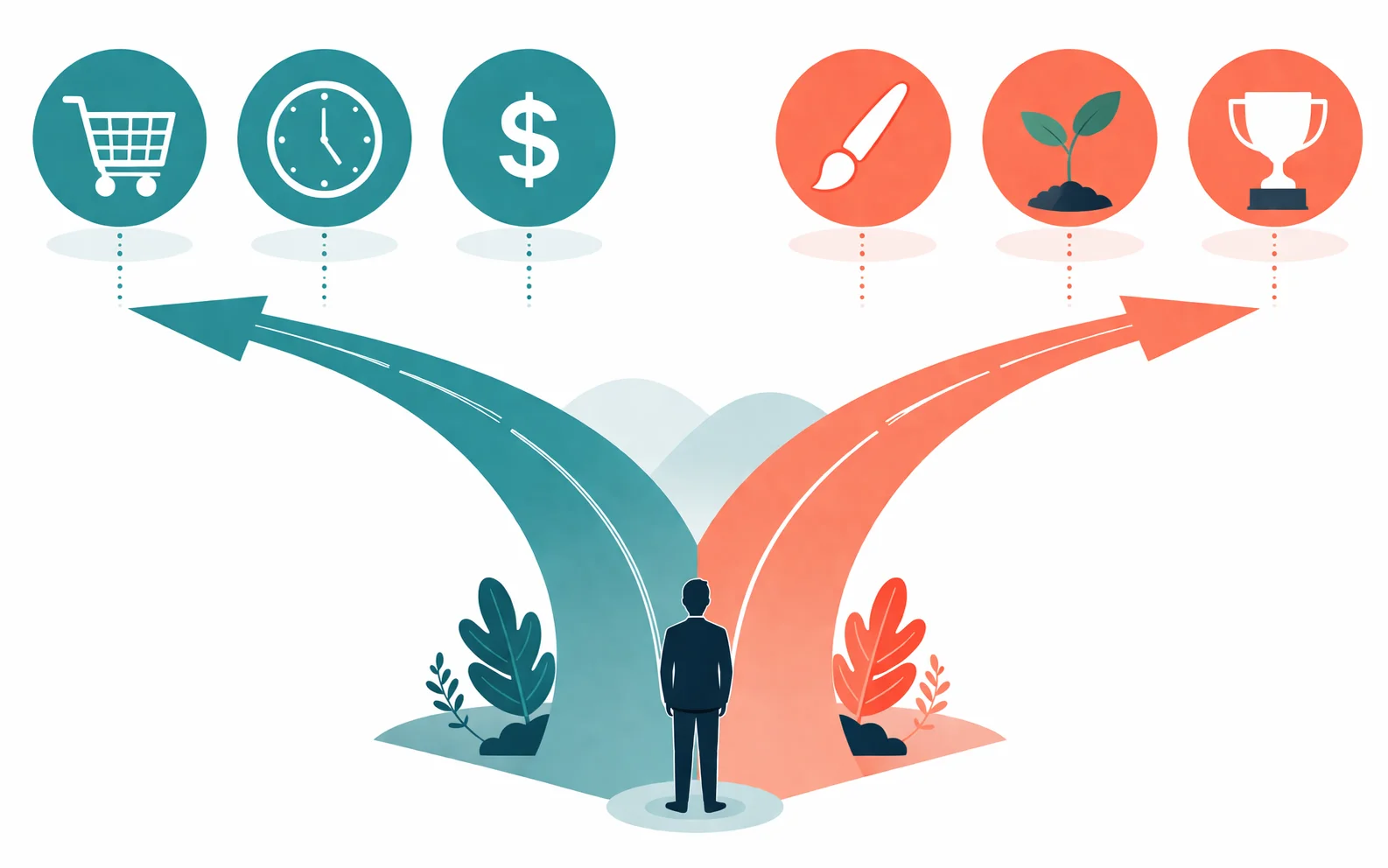
The choice isn't about which model is "better" — it's about which one matches your resources, timeline, and goals right now.
Wholesale makes more sense if you want to start generating revenue quickly with lower upfront investment. If you have $2,000–$5,000, limited experience with Amazon, and want to learn the platform by selling real products with real demand — wholesale is the faster, lower-risk entry point. You'll learn Buy Box mechanics, FBA logistics, supplier management, and margin calculation on products that already sell.
Private label makes more sense if you're building for the long term and have the capital and patience to invest. If you have $5,000–$15,000 in starting capital, some understanding of Amazon (or ecommerce in general), and want to build a brand asset that you can eventually sell — private label offers higher margins and more control. But expect 3–6 months before you see meaningful returns, and understand that your first product launch may not be profitable.
Many successful sellers start with wholesale and add private label later. This is arguably the smartest path. Wholesale gives you cash flow, Amazon expertise, and a data-driven understanding of which categories and products perform well. That knowledge directly informs better private label decisions when you're ready to invest in brand building.
How Sourcinq Fits Into the Wholesale Path
If you're going the wholesale route, the biggest challenge isn't deciding to do it — it's finding reliable, authorized suppliers.
The typical process involves hours of Google research, cross-referencing distributor websites, emailing brands, and trying to figure out which suppliers are legitimate and which are gray market. This is where most sellers either waste time or make mistakes that cost money.
Sourcinq is built specifically for this step. You enter an ASIN, UPC, brand name, or product title — and the system returns a structured list of wholesale sources, each classified by authorization level: Brand Direct, Authorized Distributor, Unverified, Gray Market, or Not Recommended. Every result includes an Invoice Readiness flag that tells you whether the supplier's invoice is likely to pass Amazon's ungating requirements.
Instead of spending 2–3 hours researching suppliers for a single product, you get a classified result in seconds. That time savings compounds when you're scanning dozens of potential products per week — which is what serious wholesale sellers actually do.
If you're evaluating the wholesale model, start with a free trial — 5 searches, 7 days, no credit card required. See what the supplier landscape looks like for the products you're considering before you commit.
Start Free Trial | How Sourcinq Works | View Pricing
Further Reading
If you're leaning toward wholesale and want to go deeper, these guides cover the next steps: